-
Your problem is simplified because the “far future” isn’t that far. If that half life of something is very long, then it isn’t very radioactive – by definition. (you don’t have to be a scientist to realize that decay rate is inversely proportional to half life).
In other words, long-lived isotopes decay slowly (few decays per unit time), or they’d be short-lived isotopes. Your biggest worry with plutonium is not that some isotopes decay slowly, but like other (non-radioactive) heavy metals, it is poisonous. That worry has been very, very exaggerated for various reasons (scare people about dirty bombs, anti-nuclear power, you name it).
Lead is poisonous, too, and stable isotopes last forever. How do we package our old fishing weights and car batteries?
Most nuclear waste (by volume) are materials contaminated with short lived isotopes of iron, molybdenum, cobalt, etc. Some of it is pretty nasty stuff, but for a very short time.
Spent fuel is highly radioactive at first. All sorts of very radioactive (i.e., short half life) fission-product nastiness. After a few hundred years, the hazard is on the same order as that of uranium ore.
—
Marginal Revolution: How do you convince someone to stay away?
I love thinking about this problem. This answer is probably the most significant I’ve read. Neal Stephenson’s in Anathem though, is my favorite.
-
The sound of an MRI machine, if I’m not mistaken.
Abfackeln! - Einstürzende Neubauten
-
I have a new HTC Hero and sometimes I want to easily look at something on my phone that I’m currently looking at on my computer. Here’s a simple bookmarklet for doing exactly that. Drag the link below to your toolbar and enjoy.
(If you’re in the Tumblr Dashboard, click through to the real page to see the link.)
-
It was cross-platform: it ran on both Unix and VMS.
-
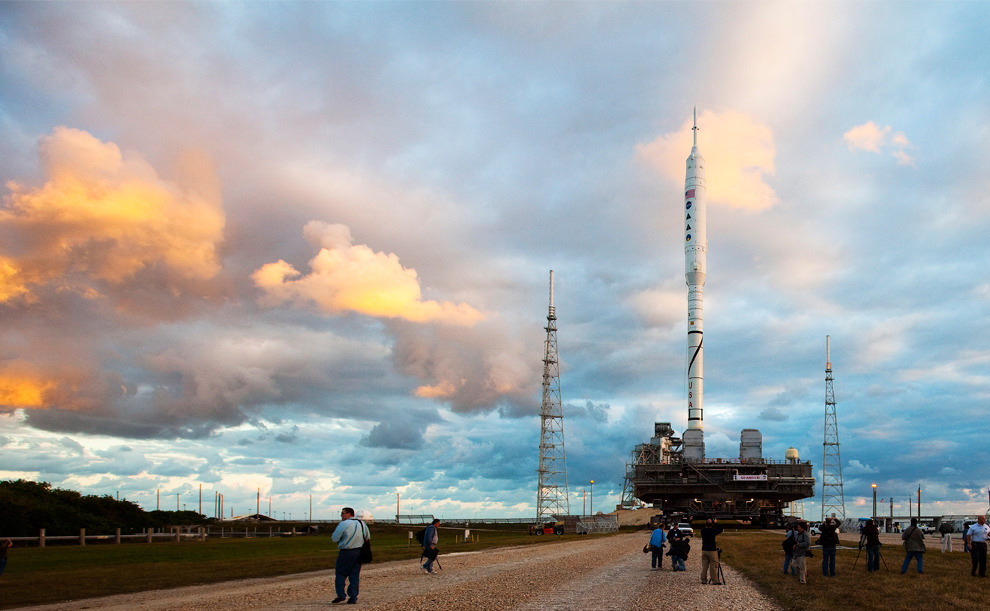
I think it’s just my lingering Battlestar Galactica fanboyness, but “Ares I” seems like the perfect name for a rocket.
-
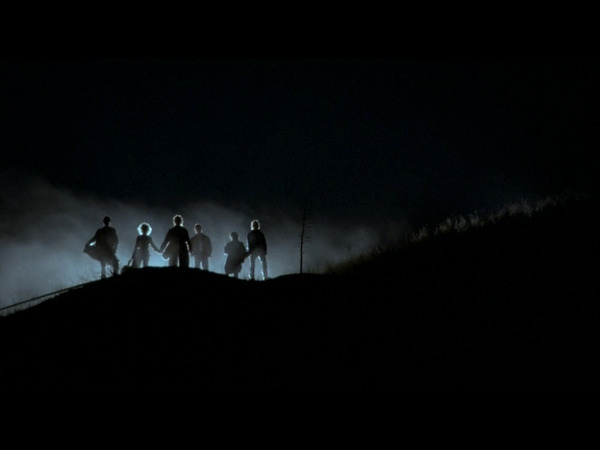
Happy Halloween!
-
-

This documentary is airing frequently on WYBE right now. It’s so so good. Inspirational in the best sense of the word.