-
-
about that pre-tech sleep study again: The one in which folks not living in typical modern life slept no more that most people in industrialized societies.
-
Question: If our lighted devices and electric lighting do disrupt falling asleep (which various bits of evidence suggests) then how in the world do we end up sleeping about the same amount? One possible answer: We also have technology that keeps the morning light at bay. It might also help that we’ve found ways to condition ourselves to wake at certain times that are far past daybreak.
-
Question: Pre-industrial Europeans were supposed to have had a first and second sleep, waking up in the middle of the night for a time. The folks in the study did not do so. What gives? Possible answer: The authors of the piece speculate that the Europeans, dealing with far longer nights during the Winter, developed a new sleep schedule as an adaptation. A second possible answer from me: One thing that leads people to wake in the middle of the night now is alcohol ingestion. Might these folks with “first and second sleep” have been drinking rather a lot compared to today’s standards? I’m not an expert in the history of alcohol consumption, but a brief look suggests it’s possible.
-
Question: The folks in the study didn’t report feeling tired despite getting what looks like little sleep. Yet many of us modern folk feel tired quite a bit on the same amount of sleep. Hypothesis: It’s because of what we’re doing all day. Having done some manual labor after not much sleep, I can say with some confidence that working with a computer all day on intellectual tasks makes me feel sleepier during the day (yet not more tired at night) than a day of shoveling soil. We could test this hypothesis by sending folks with complaints of sleepiness to do hard labor. I’m sure that would be a popular study.
Another unexamined aspect: the opportunity cost of sleep. It could be that both pre-modern and modern people have come to the same conclusion: sometimes there are things for which it’s worth staying up past your bedtime. They had flickering firelight, the Milky Way and keeping an ear out for tigers. We have Conan and Tumblr and loading the dishwasher.
Sleep is necessary but it doesn’t mean it’s always the best use of our time.
-
-
When did this notion take hold that people have some right to not be offended? I’m offended all the time. It’s called not being dead yet.
-
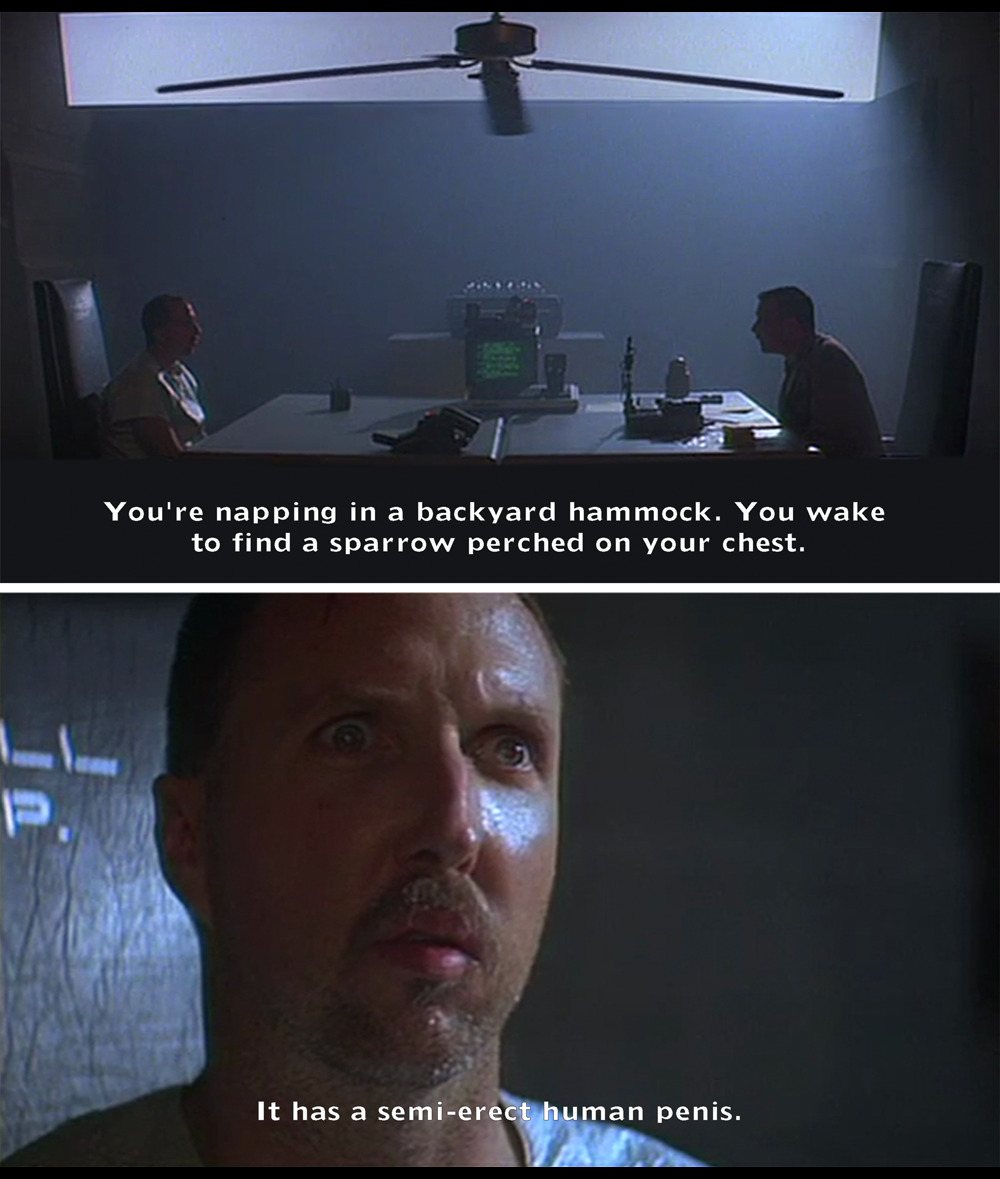
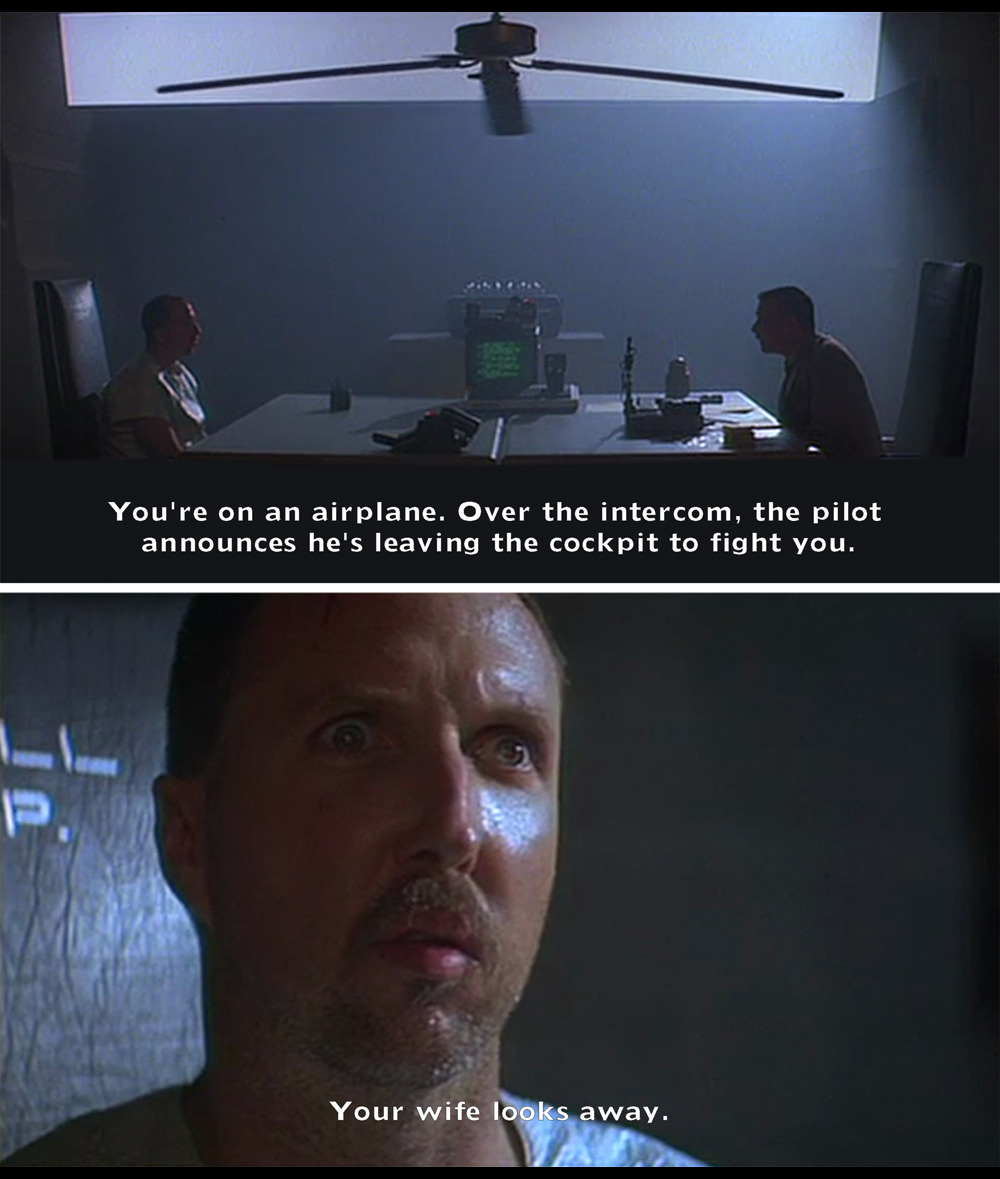
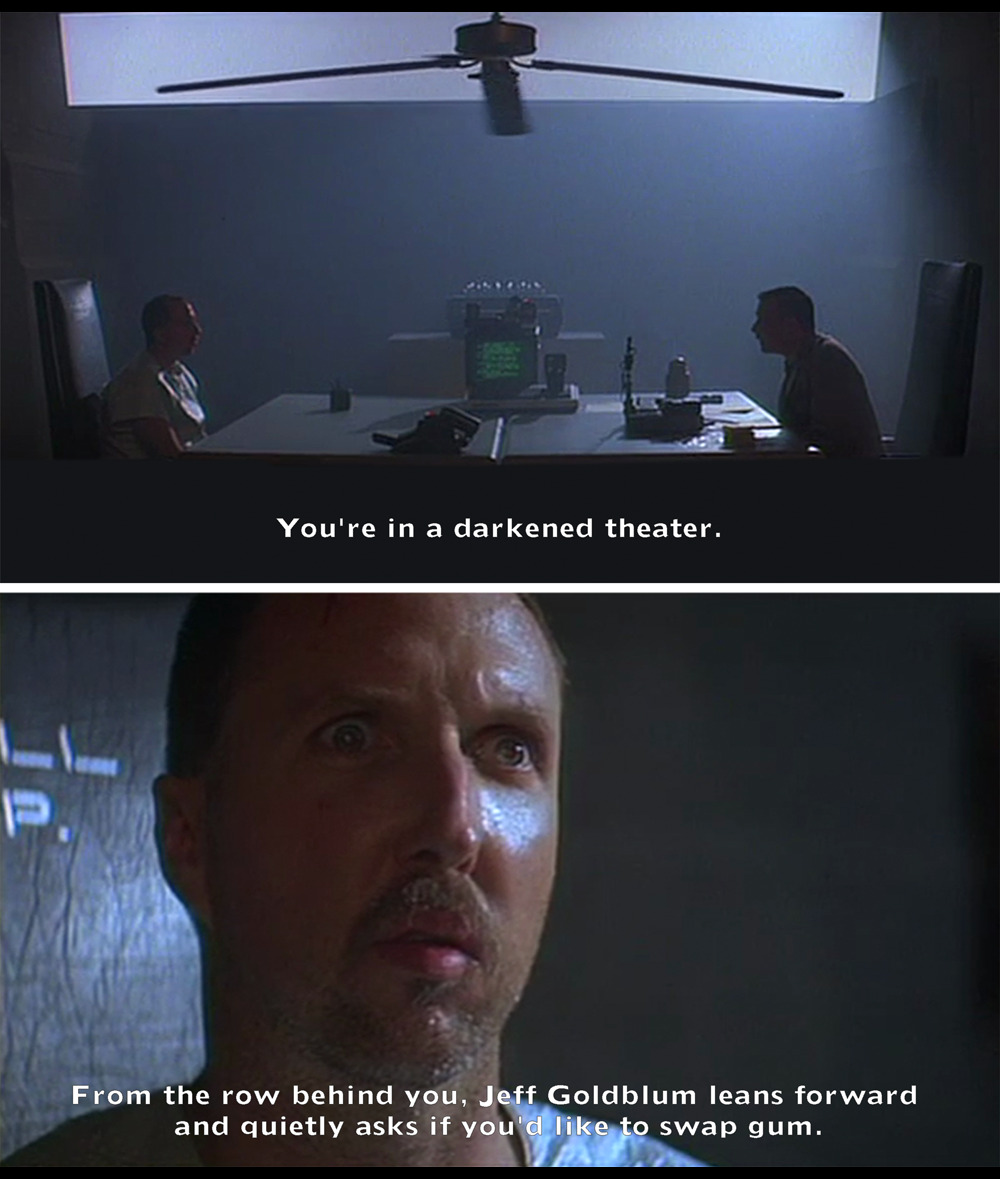
I’ve just realized why I liked this movie so much.
-
The lesson Bernie Sanders needs to learn is that you cannot finance a Danish-style welfare state without free markets and large tax increases on the middle class. If you want Danish levels of social spending, you need Danish middle-class tax rates and a relatively unfettered capitalist economy. The fact that he’s unwilling to come out in favor of either half of the Danish formula for a viable social-democratic welfare state is the best evidence that Bernie Sanders is not actually very interested in what it takes to make social democracy work. The great irony of post-1989 political economy is that capitalism has proven itself the most reliable means to socialist ends. Bernie seems not to have gotten the memo. But Bernie Sanders isn’t the only one failing to come to terms with the implications of Danish social-democratic capitalism.
—[Double-Edged Denmark Niskanen Center](https://niskanencenter.org/blog/double-edged-denmark/) -
-
But having said that, this particular piece, after it’s been - it’s fallen down now three times - so it’s three days, three collapses. The actual act of collapse and the attempt is becoming interesting enough to become the work. And I may have bitten off something I cannot make here, and I don’t know if I will be able to achieve what I want to or I will with a huge amount of luck and chance. But if I don’t, I think that act of building and rebuilding, building, rebuilding, collapse could become the work. The danger in that - how can I put this? - I mean, failure is really, really important. But failures have to hurt. And if I start making this work with the intention of its collapse and then I’ve lost that intensity of the will for it to succeed, which makes the failure that much more poignant and significant. So there’s a really odd sort of state of mind that I guess I get into when I’m making these works that is necessary for me to extract the finished piece but also extract the right kind of feeling for the work as I’m making it.
—Andy Goldsworthy, in an interview by Terry Gross. Fresh Air, NPR (Oct. 8, 2015). (via nbr)
-
There is a kind of moral credulousness on the part of the Nice Liberal critics of our national gun culture, and there’s something intolerably amoral about a politician like Barack Obama assuming a pose of high moral dudgeon to snipe at conservative gun rights advocates while he presides over, among other atrocities, the bombing of a neutral hospital—literally, a war crime. […] This isn’t cheap whataboutism; if you ask how we can be such a violent society and exclude sixty years of uninterrupted global warfare from your analysis, then your crass factionalism is showing.
—[Rare Arms Jacob Bacharach](http://jacobbacharach.com/2015/10/08/rare-arms/)