-
Trauma is all-too-real, and experiences that throw those who have been traumatized back into painful memories of their trauma are all-too-real. But how common is it, really? How important is it, really, to avoid triggering events? Is not being reminded of a trauma others cannot be reasonably expected to know anything about the sort of thing to which we might be morally entitled? Does anyone have a right not to be triggered, such that we’re all obligated not to do it? Is there any science about this that might help answer these question? It turns out there is! And because it confirms my biases I am eager to share it with you.
—
On The Right Not To Be “Triggered” « Will Wilkinson @ The Dish
Curious about what Dr. Rodebaugh has to say about this.
-
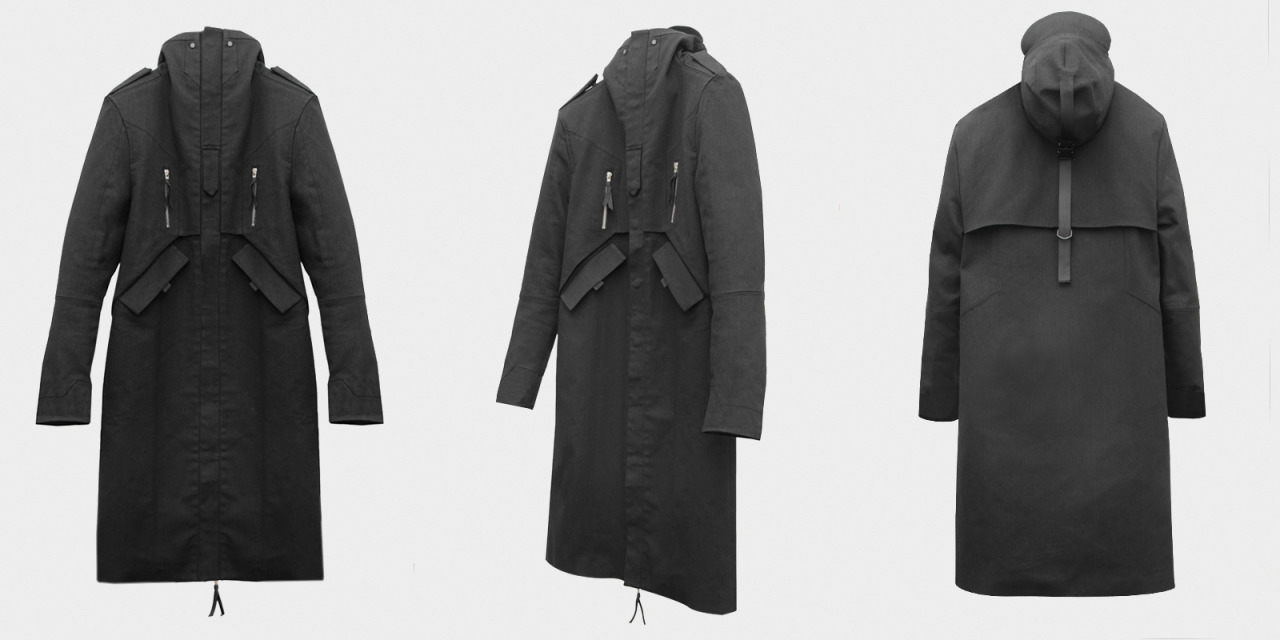
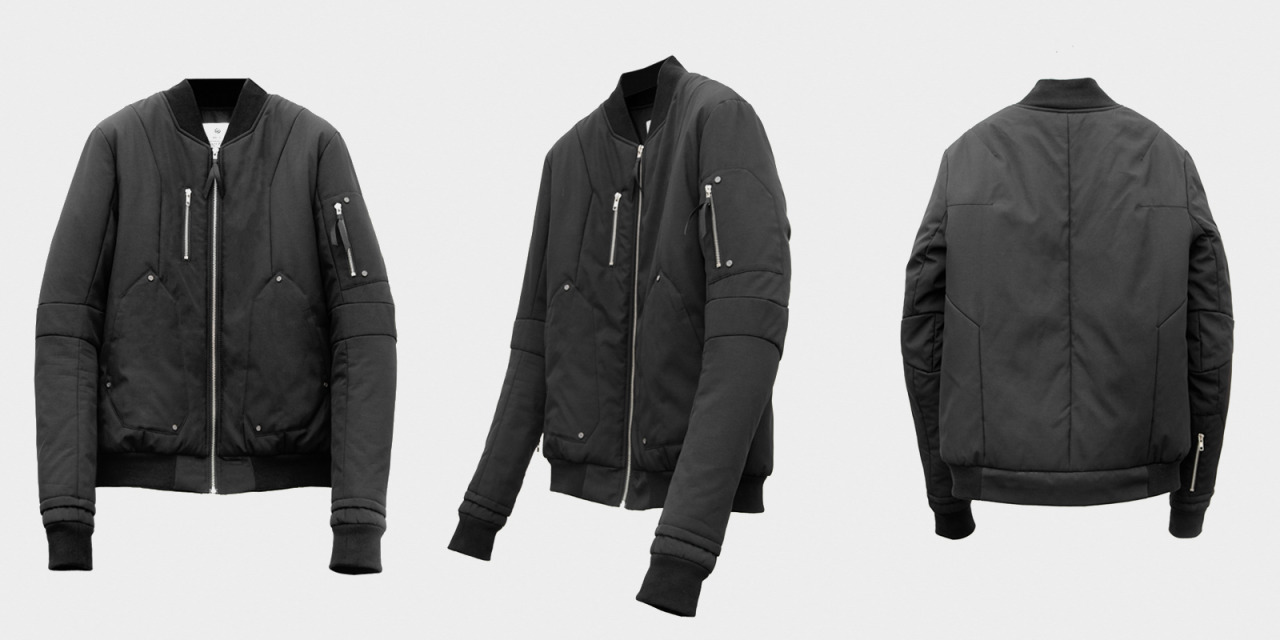
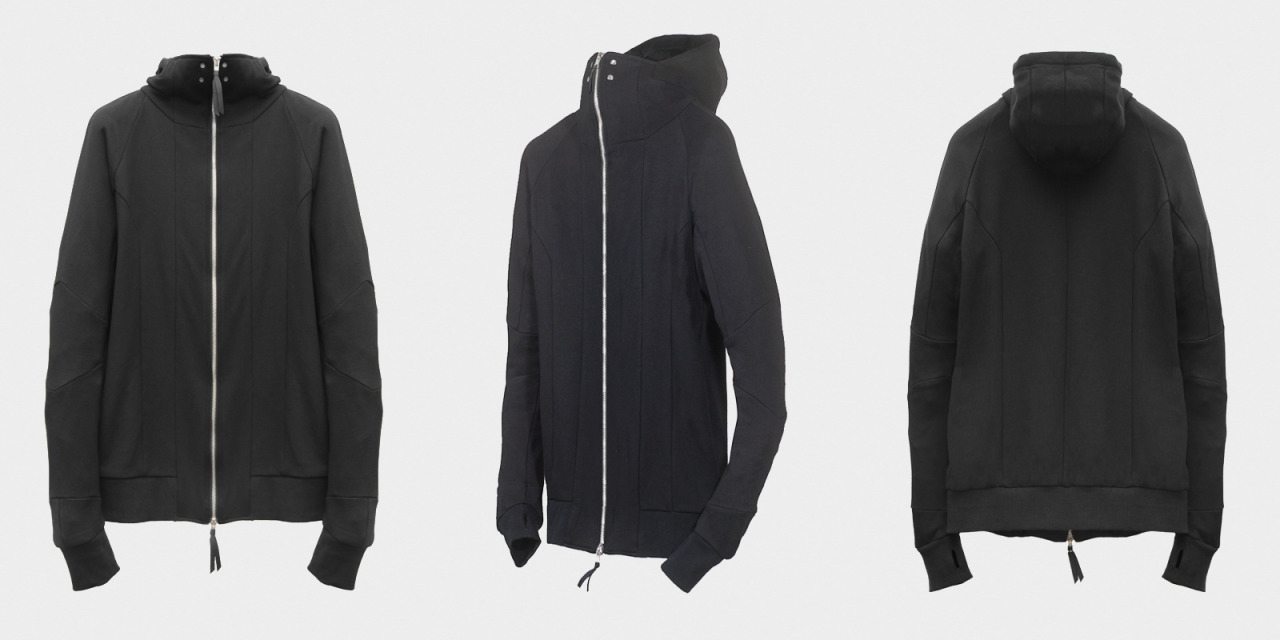
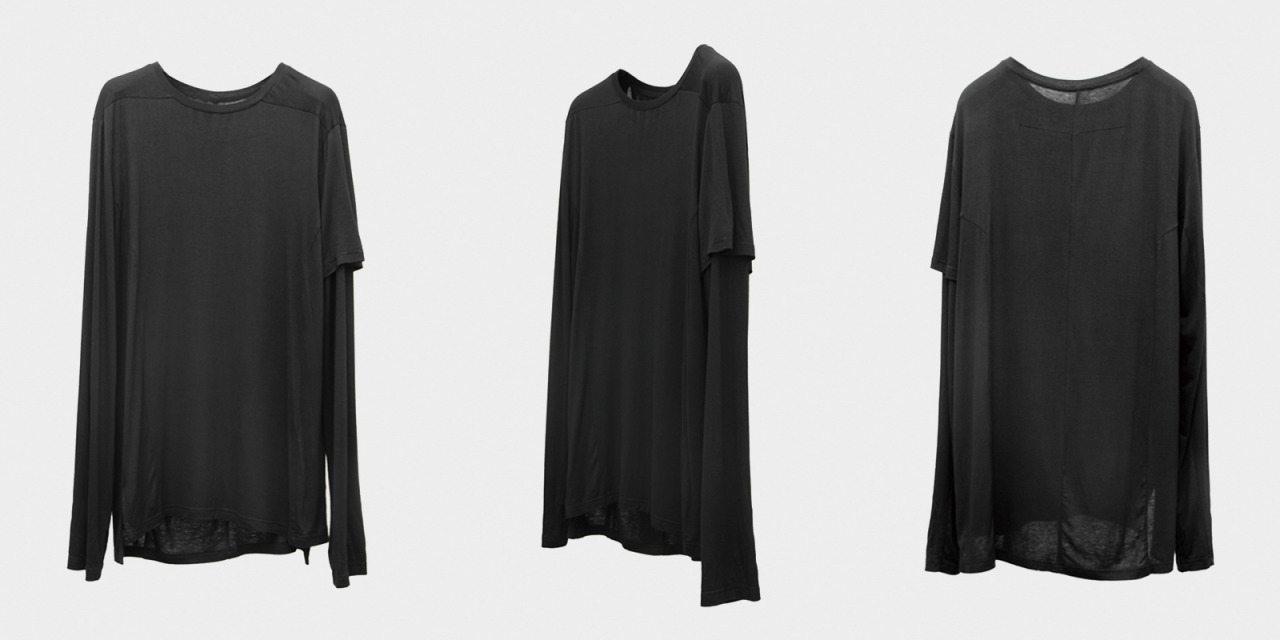
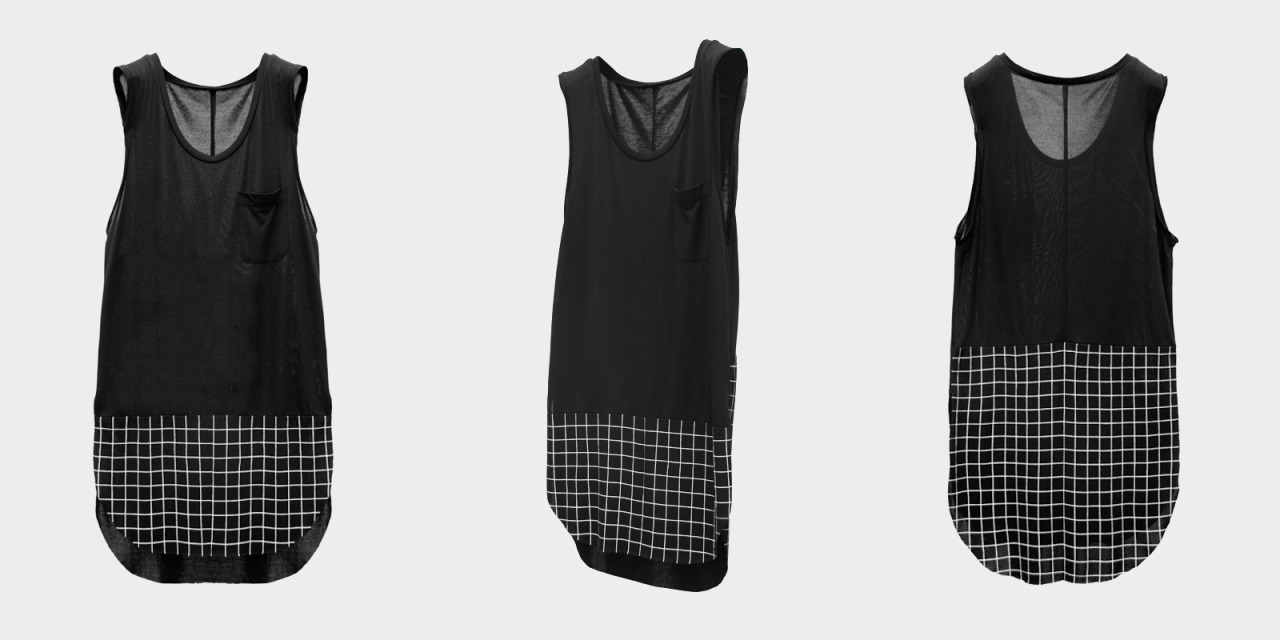
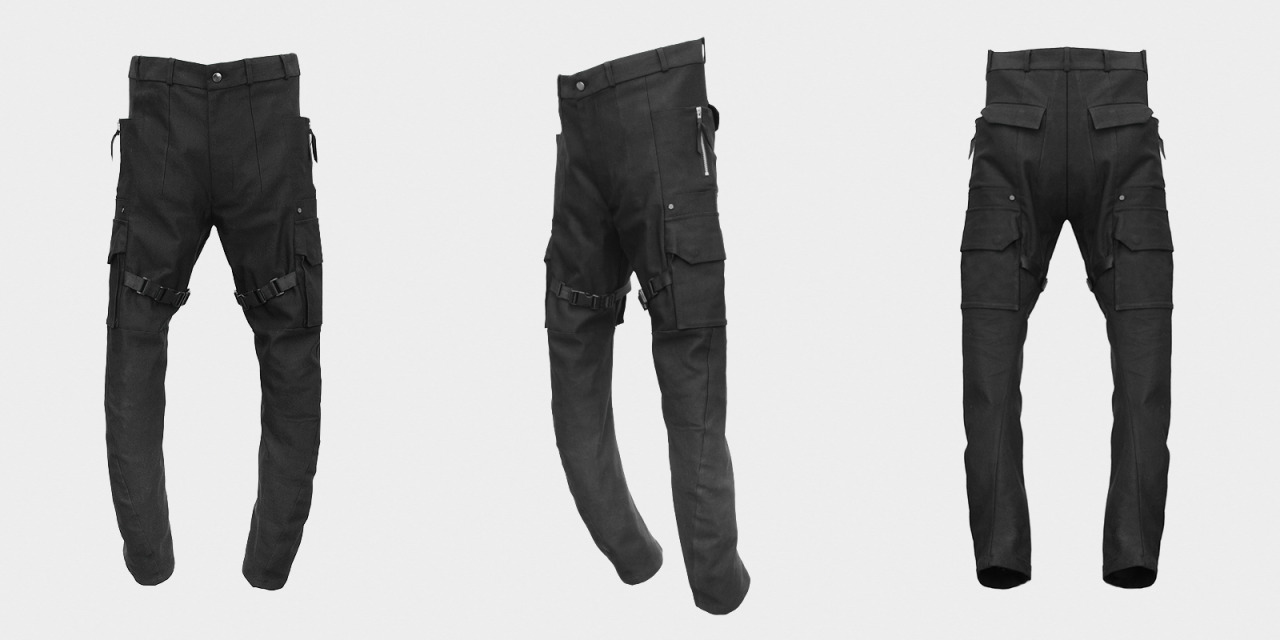
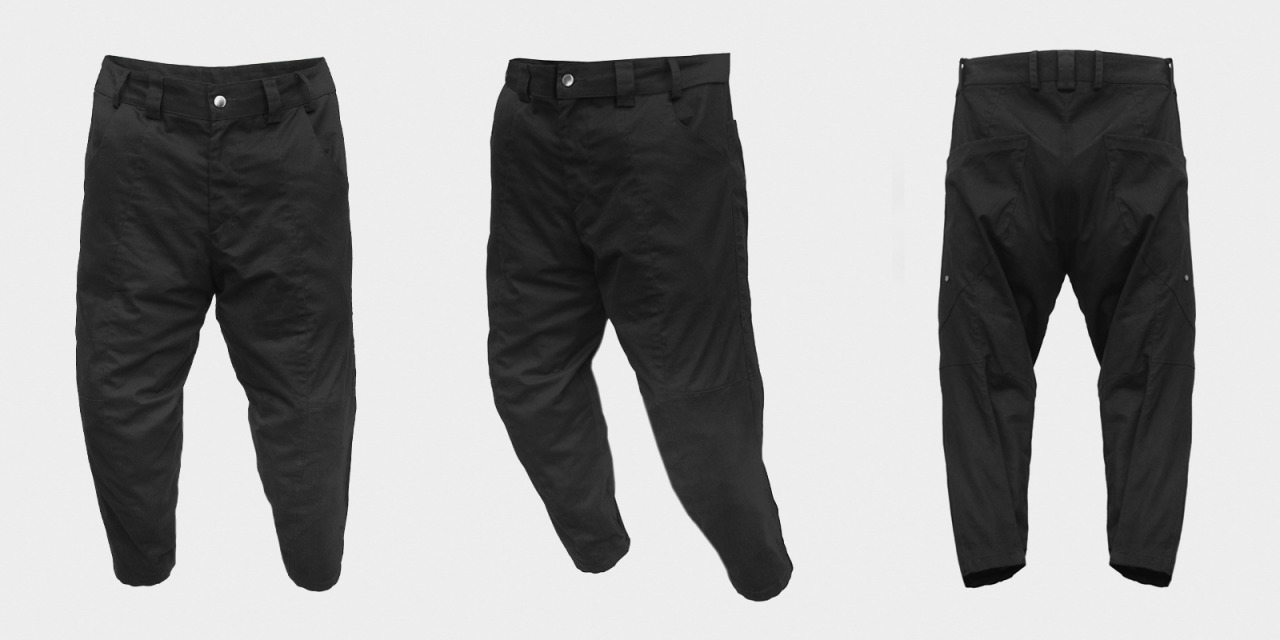
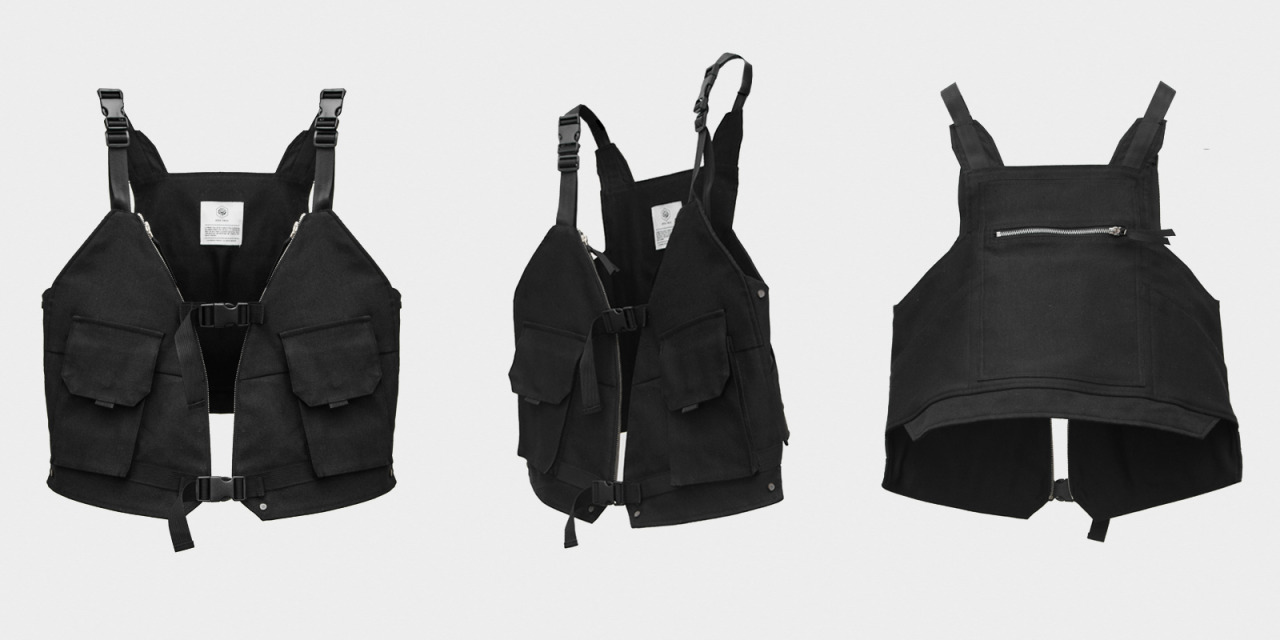
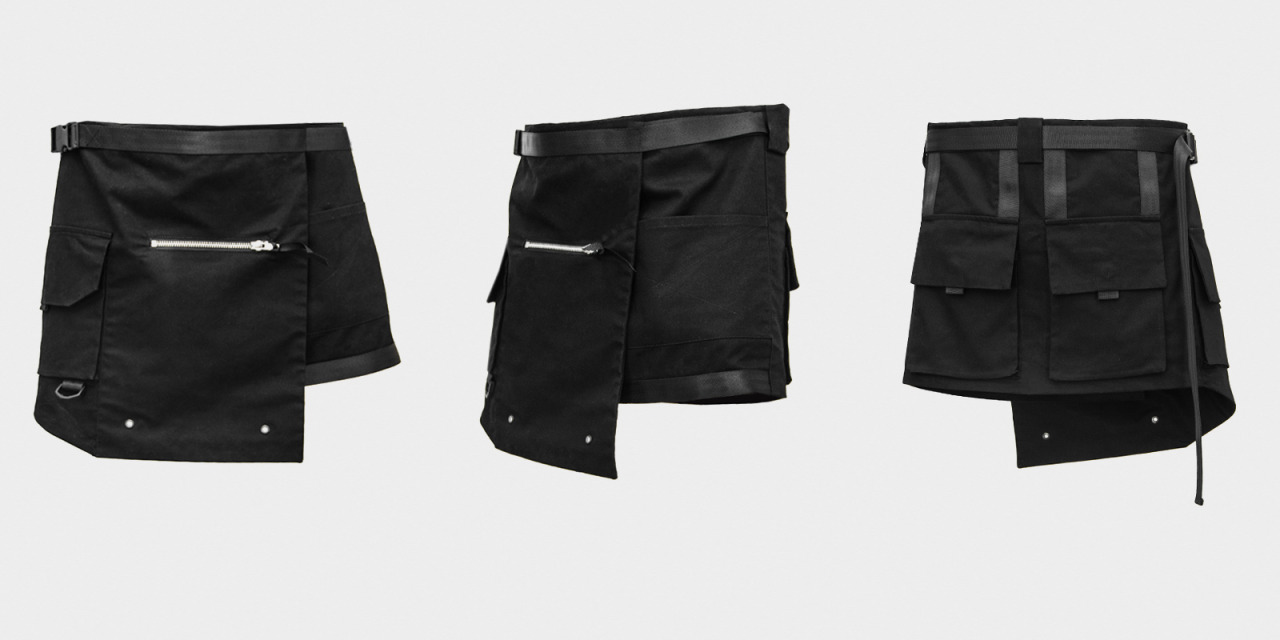
[EYES & SINS] 2014 FW PRODUCT INVENTORY
- Long Range Ambush Parka
- Re-reproduction 01 MA-1 Bomber Jacket
- Articular Specimen 01 Hoodie
- Reflective Asymmetrical Long Shirt
- External Panel Tank 02
- Stability Paratrooper Cargo Pants
- Subversive Adjustable Cropped Pants
- Engram Multi-Chamber Vest
- Enigma Utility Skirt WrapThe William Gibson fashion moment is now.
-
The point of a government employee union is to organize against the public interest, to get in the way when the democratic public’s notions about its interests conflict with the interests of the union’s members. When a public-sector union is strong, government of the union’s domain is effectively ceded to the union itself. When that domain is the armed, business end of the law’s coercive authority, that’s a giant problem. It shouldn’t be allowed.
-
-
-
-



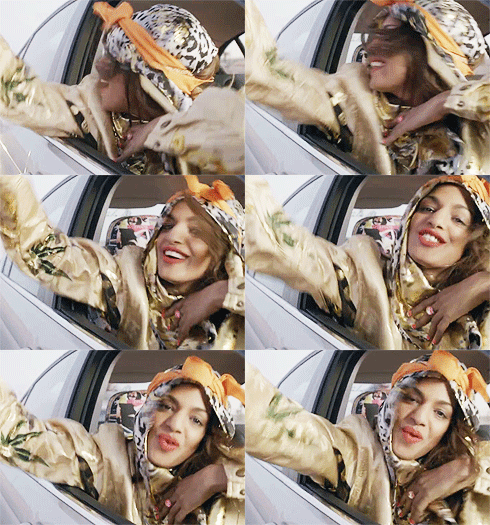




My chain hits my chest
when I’m banging on the dashboard
my chain hits my chest
when I’m banging on the radiosuki zuky __I’m coming in the Cherokee
gasoline __there’s steam on the window screen
take it take it __wheels bouncing like a trampoline
when I get to where I’m going
gonna have you trembling“Suki, suki” means “drive, drive” in Arabic. In the music video Saudi Arabian women are driving and aren’t supposed to, so MIA’s saying “suki, suki”. They’re bad girls.
Further, سوقي (suuqii) is in the imperative singular feminine, in a form I think is Saudi colloquial — more formal would be اسوقي. So, it has an additional subtlety of telling a female to drive.
-
scz:
Possibilities for what’s meant by the lyric “I know you’ve supported me for a long time / somehow, I’m not impressed,” from Interpol’s “NYC”:
- The most direct interpretation: the fault lies with the supporter; the support is false or otherwise insufficient. This is an accusation.
- The fault lies with the speaker: he should be impressed by the long-term support, but isn’t. This is a confession.
- It seems unlikely, since the song is from the first of their five albums, but it could be meant for the audience: your support of our band is empty, or, at least, irrelevant to us as artists. This is a declaration of independence, or aloofness.
While watching them, I wondered, “what does this band mean? what does their music mean?” I don’t think I know the answer.
I miss their old bass player, I do. He had such style, which is an important part of this band. The bass lines are also critical to their sound, and I’m not convinced the new guy was pulling them off.
Their lead singer, Paul Banks, had an oddly… showman-like? demeanor between songs, while introducing the band and thanking the audience (he actually said, Elvis-y, “thankyouverymuch”). And during the encore, the projection behind the band showed surf footage, which seemed a mismatch. But other than those minor miscues, the band swept songs from all five albums into a single, connected whole. Interpol knows what they’re good at, and don’t deviate from it much. There are quiet moments on the albums that I like, and that didn’t turn up in the live show, but it’s hard to pull those off in a big room, anyway.
They remind me of an Anne Sexton quote used on a 7” sleeve by another favorite style-heavy band, Cold Cave: “Content dominates, but style is the master.”