-
That doesn’t bode well for the “food with integrity” campaign Chipotle has spent much of this year pushing. The chain has tried to appeal to fast-casual diners by eliminating GMOs and additives from its menu. Whether these initiatives are based in legitimate health concerns or shameless and unscientific pandering to skittish consumers is a separate issue. But even setting that aside: Chipotle will be a bit hard-pressed to explain how, while it was getting rid of additives and GMOs, it let E. coli, Norovirus, and salmonella slip by.
—
Chipotle E. coli outbreak shuts 43 restaurants in Washington State and Oregon.
When Chipotle announced its anti-GMO stance I decided to do what a rational, science-trusting consumer should do: I stopped eating there. Looks like it was a smart move!
-
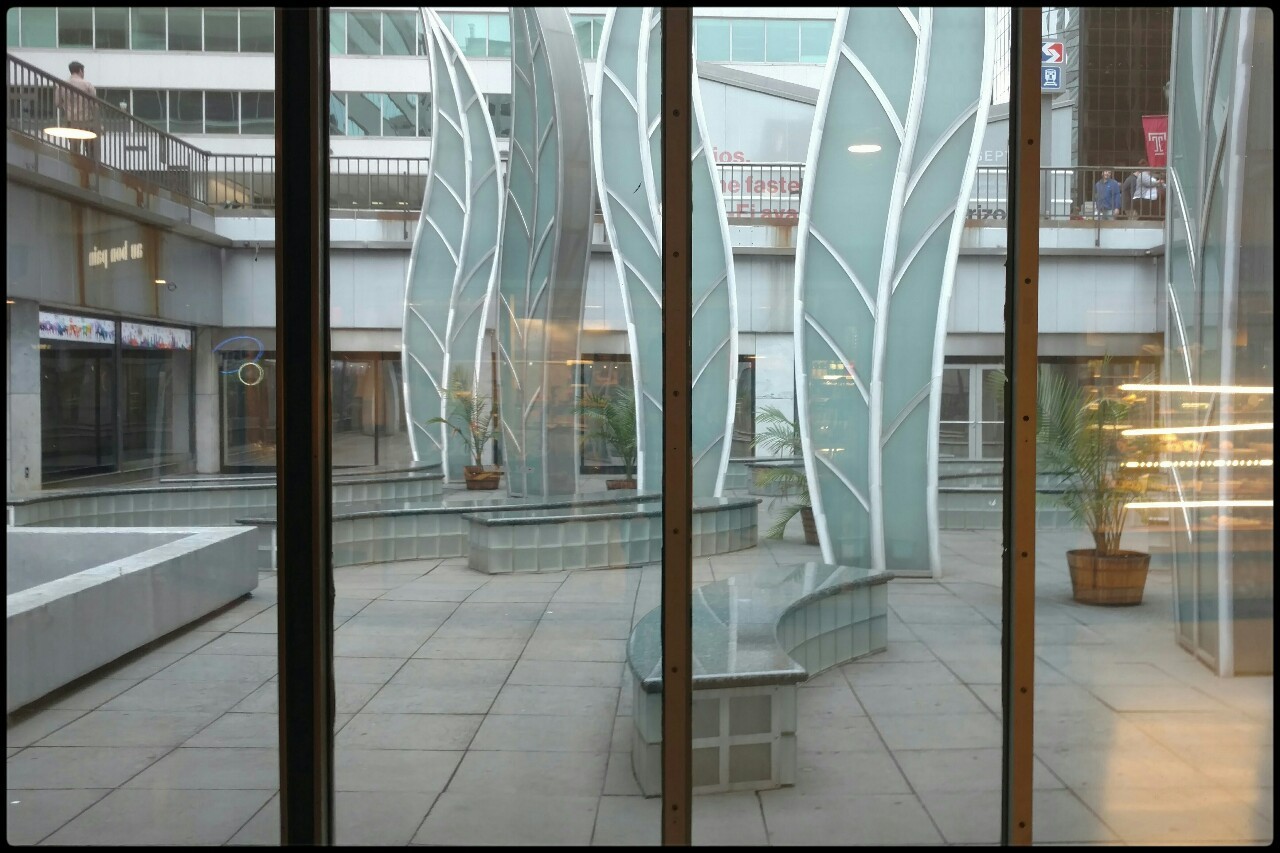

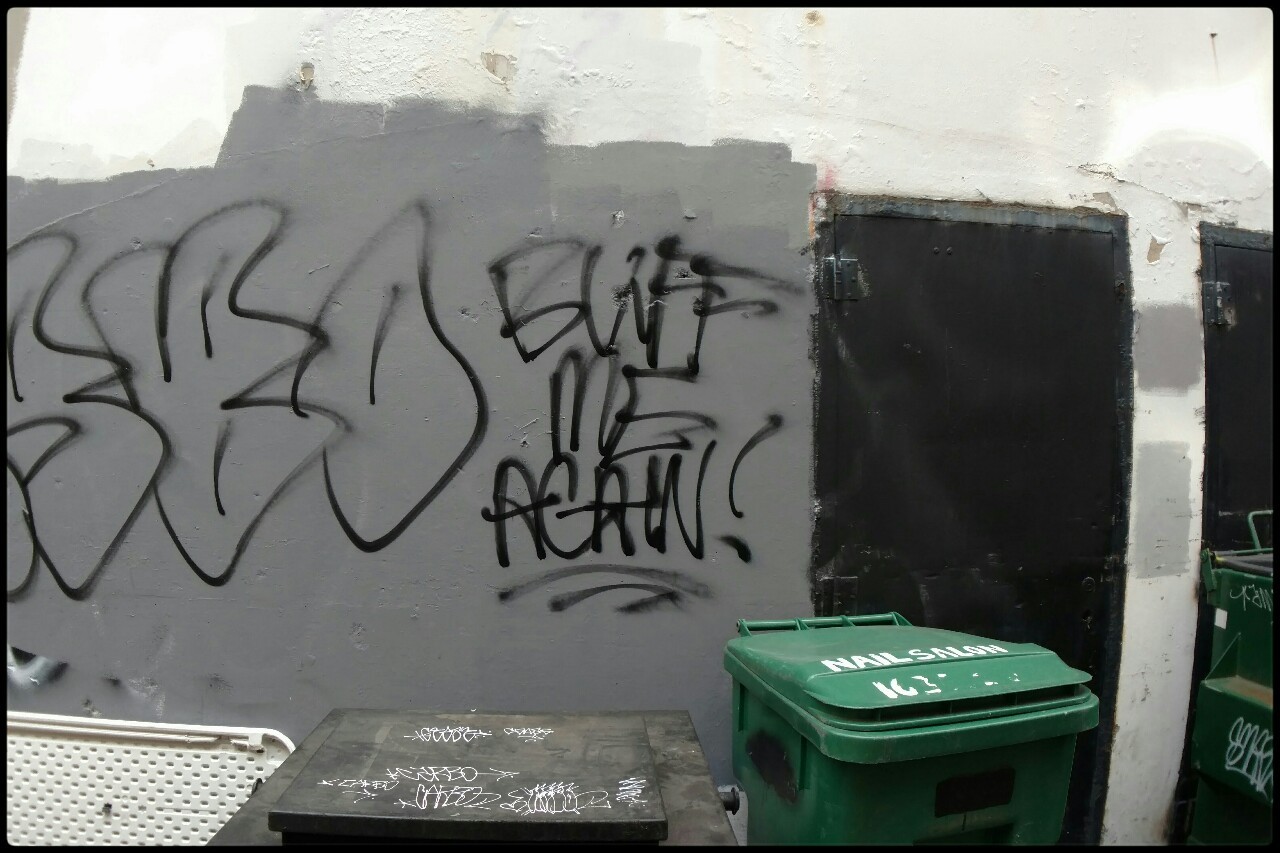
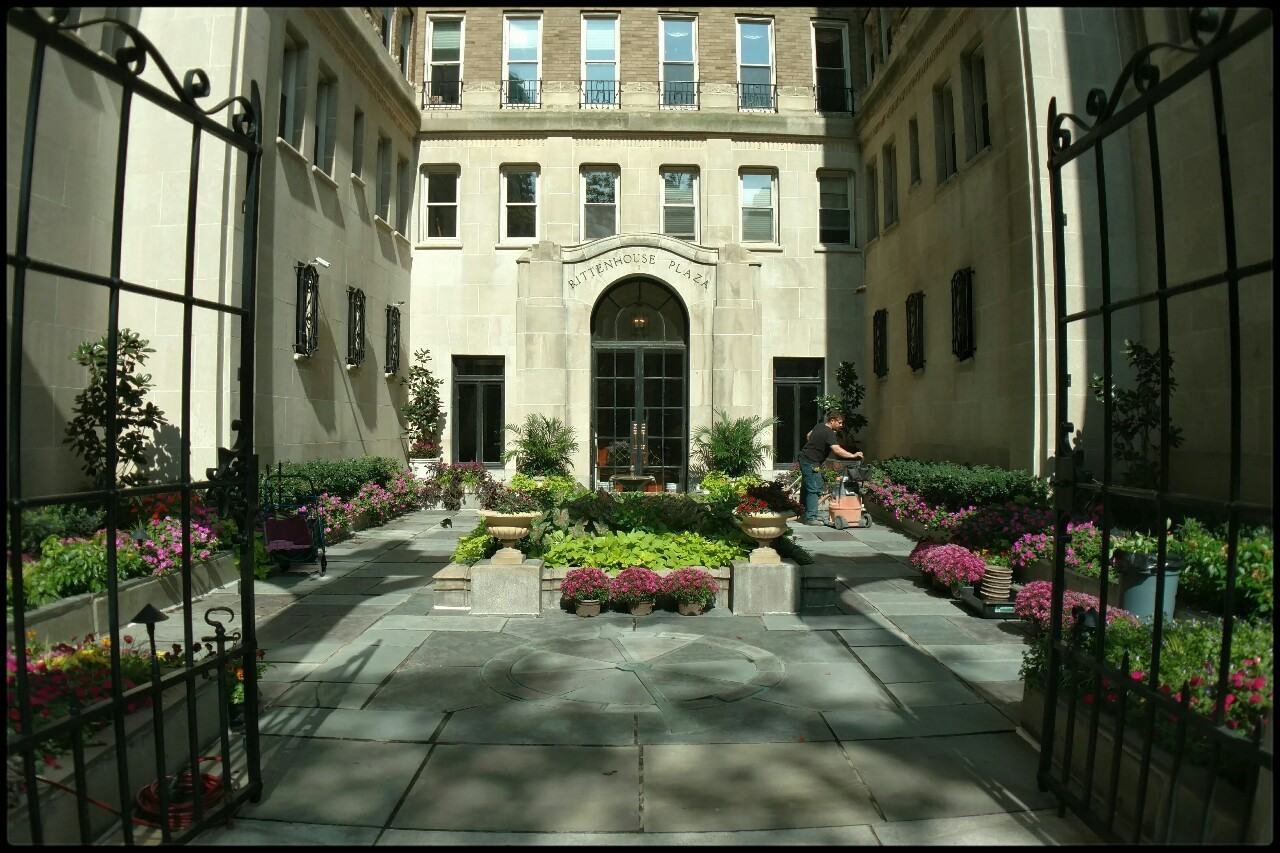

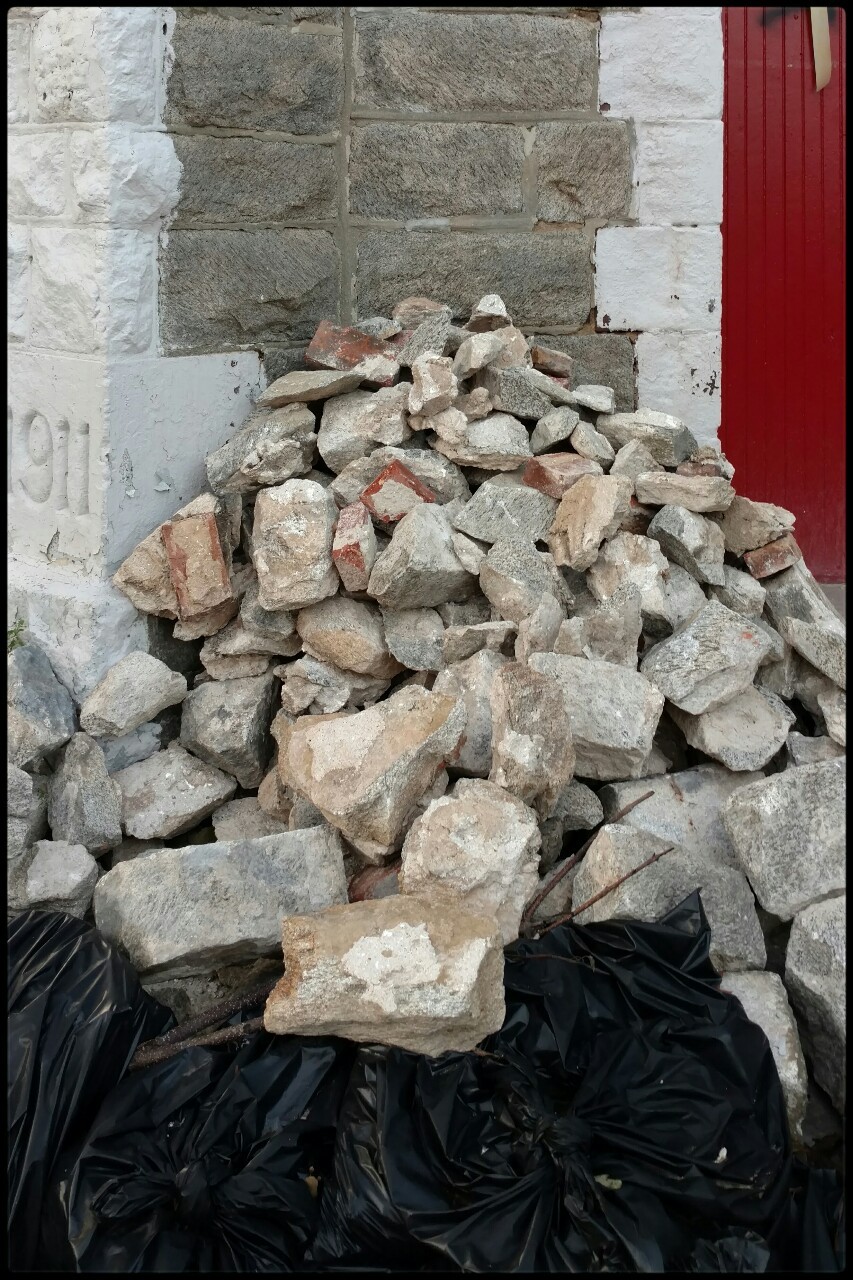
Philly fall, 2x3. This Moto X camera is almost making me forget about every other camera I own.
-
The same people who chuckle at the things done with cocktail franks and canned tuna will happily eat something like the tripe dishes common in many ethnic cuisines. Yet tripe has absolutely nothing to recommend it as a food product, except that it is practically free; almost anything you cooked with tripe would be just as good, if not better, without the tripe in it.
—Friday Food Post: The Economics Behind Grandma’s Tuna Casseroles - Bloomberg View
-
-
When Paul Allen and I first started Microsoft, I didn’t know as much about computers as I did today. Paul kept saying “Bill Gates, here is a computer chip” and I would say “Haha like a potato chip!” and would usually eat the computer chip in front of him. I think I ate about 3000 computer chips in our first year of Microsoft. It nearly put us out of business. Eventually they would just hand me a crouton and tell me it was a computer chip while they made real computer chips in secret and wouldn’t tell me. It was the solution that saved Microsoft.
—Bill Gates on the early days of Microsoft
(via 75mgs) -
-
Stuy Town was ushered into existence by Robert Moses in 1947, intended largely for returning veterans and their families—imagined as a middle-class oasis set in Manhattan, the product of an era when civic-minded people did things for the city and its residents because they were right, not because they were profitable. But it is also built on the ruins of the Gas House District, which Moses had bulldozed, displacing eleven thousand residents, and it was segregated until the sixties. The Gas House District was a diverse, working-class, neighborhood filled with light industrial businesses—the kind of place Moses considered a slum.
—
The Selling of Stuy Town - The Awl
Strange attempt here to paint past racist slum-busting as progressive civic-mindedness while implying the current willingness to subsidize 5000 units to the tune of $80 million is emblematic of an era of crass profiteering. Anti-gentrification liberalism is built on the bones of racist progressivism.
-